
Beyond the Workbooks: Why “Real-World” Skills are the Best Focus this Summer
School ends and panic sets in. What am I supposed to do with these kids all summer? Will they fall behind in school? Time to buy all the workbooks… STOP! Before spending your hard earned money on flashcards or stressing yourself out trying to create school at home, let’s consider a different approach.
Here’s how to strike a balance that protects your peace and supports your child’s growth.
The “Bare Minimum” Academics
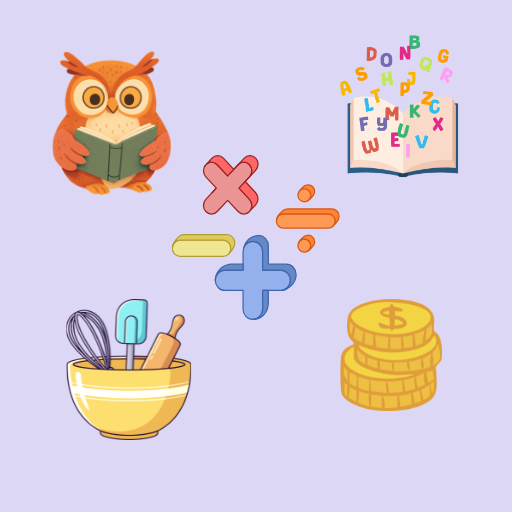
Yes, some academic touchpoints are helpful, but it doesn’t have to involve worksheets or drills. You can find language, literacy and math hidden in activities you’re already doing.
Read Daily
Read together - books, cereal boxes, street signs, restaurant meus… It all counts!
Listen - Audiobooks count as reading too.
Game Play - If your child is working on early literacy skills like letter names - play a game to find the letter on a menu or on the title of a book. “Can you find the Letter A on this page?”
“Mistake Game” - Hold a book upside and get your child to tell you it’s wrong and turn it around. “Ok I’m ready to read the book now. Everything look good?” (Book is upside down. I promise your child will think this is hilarious, but it’s also a great early literacy skill to prepare for reading!)
Everyday Math - Just like language and literacy - math is everywhere!
Money: Count money to pay the ice cream truck or the lemonade stand
Fractions: Measure ingredients for a recipe
Numbers and Operations: Tracking sports scores
Count the number of farms you drive past on a road trip
Count the number of crackers for snack
Prioritize “Real-World” Skills
Summer is a great time to focus on functional skills (skills we need to do everyday, like doing laundry, ordering a restaurant, and setting the table) and independence skills.
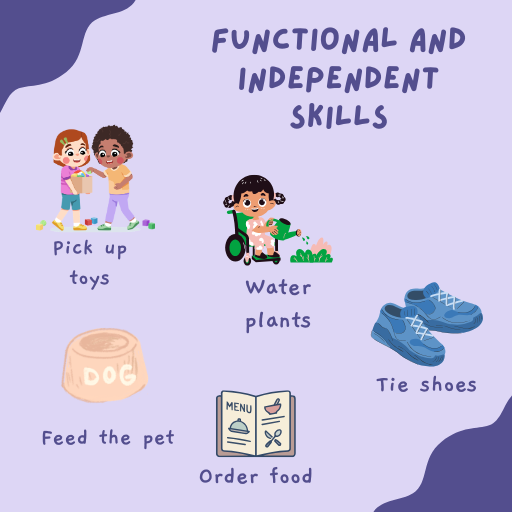
Community Communication: Before going out to eat or to the ice cream shop, talk to your child about ordering by themselves. Provide a sentence starter: “May I have… please.”
Encourage them to use the communication skills they have now, whether that’s pointing to what they would like on the menu, using an AAC device or a simple phrase.
Family Jobs: Teach your child to set the table or feed the dog to help the family get ready for dinner.
Independence skills: Summer is also a great time to practice life skills and independence:
Tying shoes
Buttoning a shirt
Learning to ride a bike
Dressing and undressing
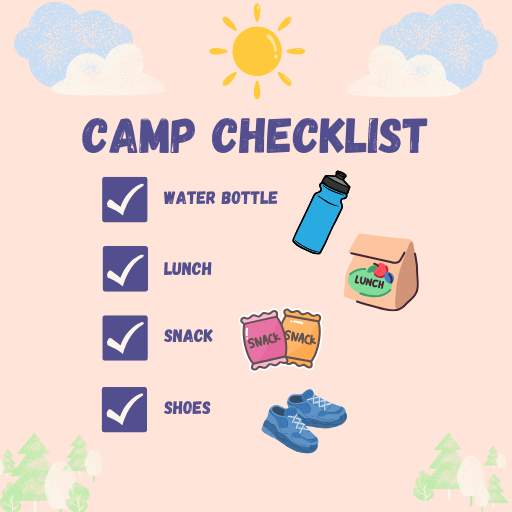
Executive Functioning: Create a small visual checklist for camp readiness. (This helps your child learn executive functioning skills to remember what they need, but you win too because you don’t have to remind them 10 ten times)
Water
Lunch
Snack
Shoes
You got this.
Summer is a time for connection and decompression for both you and your child. Don’t succumb to the pressure of making every moment educational or even big and grand. Take a breath. You don’t have to do it all to be an amazing parent for your child.
If you want to make sure your child’s fall IEP matches the amazing real-world growth they show this summer, let’s talk. Click here to book a free consultation with Bridge2Bloom.
